Meet the Leading Female Osteopaths in the Middle East: A Closer Look


Introduction to Osteopathy
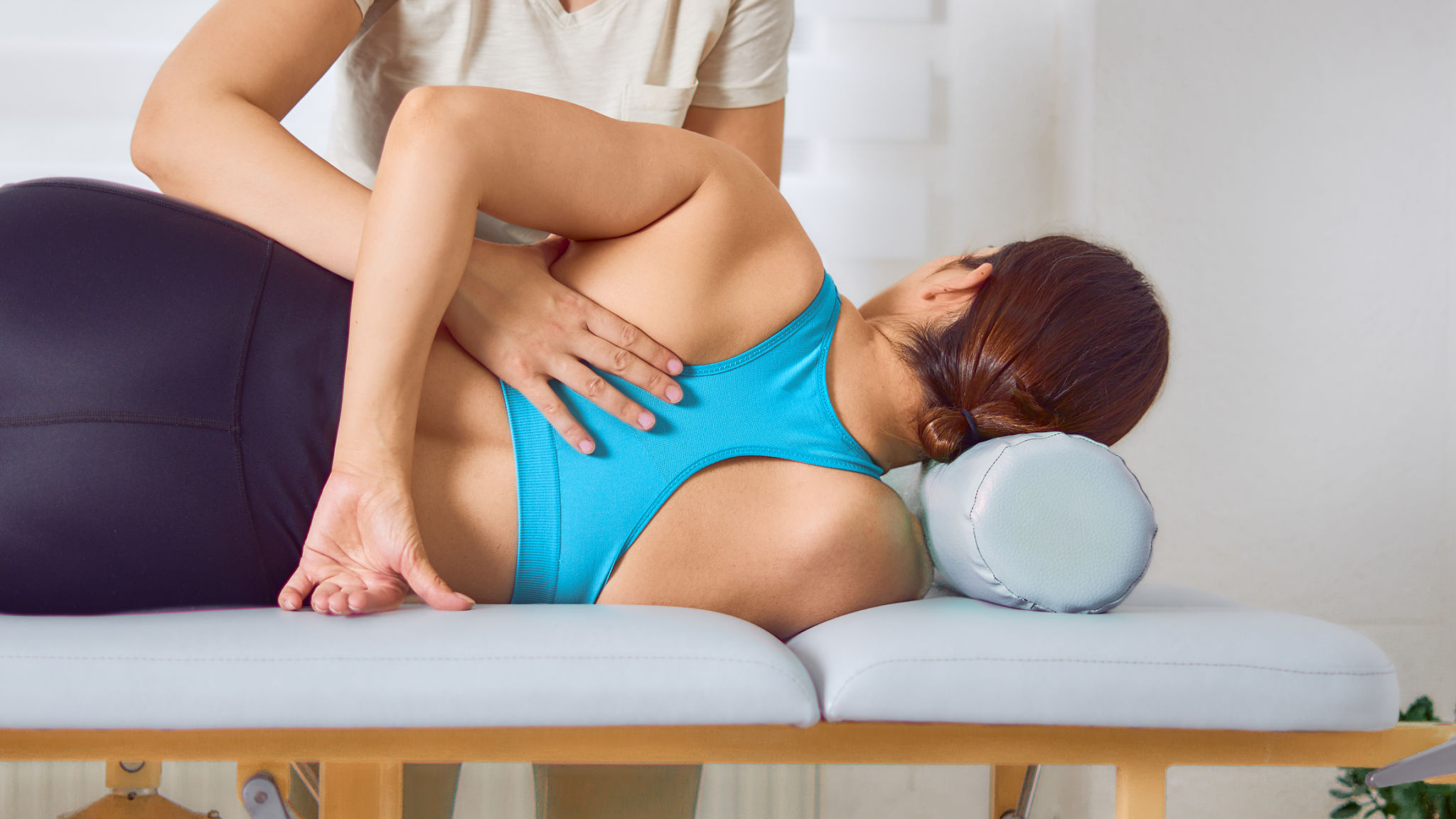
Osteopathy is a holistic approach to healthcare that emphasizes the interrelationship between the structure and function of the body. It is a field that has seen significant growth and acceptance worldwide, including in the Middle East. Today, we shine a spotlight on some of the leading female osteopaths in this region, who are making remarkable strides in the field.
Pioneers in the Field
The Middle East is home to several trailblazing female osteopaths whose dedication and expertise have been instrumental in the growth of osteopathic medicine. These women have not only contributed to the healthcare sector but have also inspired many others to pursue this rewarding career.
Among these pioneers is Dr. Sarah Ahmed, whose clinic has become a beacon of excellence in osteopathic care. Her approach combines traditional techniques with modern innovations, offering patients a comprehensive treatment plan tailored to their needs.

Innovative Techniques and Approaches
Many of these leading osteopaths are known for their innovative techniques. Dr. Nadia Hassan, for example, has developed a unique method that integrates osteopathy with other complementary therapies, enhancing patient outcomes and overall wellness.
These female osteopaths are not only skilled practitioners but also educators and mentors, guiding the next generation of osteopaths through teaching and workshops. Their commitment to education ensures that the field continues to evolve and expand.
Challenges and Achievements
Despite the challenges faced by women in the medical profession, these osteopaths have achieved significant milestones. From setting up successful practices to receiving international recognition, their achievements are a testament to their resilience and dedication.

Dr. Leila Mansour, for example, has been recognized for her research in osteopathic techniques, contributing valuable insights that have been published in leading medical journals. Her work has not only advanced the field but also highlighted the importance of female leadership in healthcare.
Impact on the Community
The impact of these female osteopaths extends beyond their clinics. Through community outreach programs, they have improved access to osteopathic care, especially in underserved areas. These initiatives have made a significant difference in the health and well-being of many individuals.
Moreover, their efforts to raise awareness about the benefits of osteopathy have resulted in increased acceptance and demand for this form of treatment across the Middle East.

Conclusion
The contributions of leading female osteopaths in the Middle East are invaluable. Their expertise, innovation, and dedication have not only advanced the field but have also inspired countless individuals to pursue careers in osteopathy. As they continue to break barriers and achieve new heights, their impact will undoubtedly be felt for generations to come.