Common Myths About Osteopathy: What You Need to Know


Understanding Osteopathy
Osteopathy is a form of alternative medicine that emphasizes the physical manipulation of the body's muscle tissue and bones. Despite its growing popularity, there are several myths surrounding osteopathy that often lead to misconceptions. In this blog post, we'll debunk some of the most common myths and provide you with accurate information about this therapeutic approach.
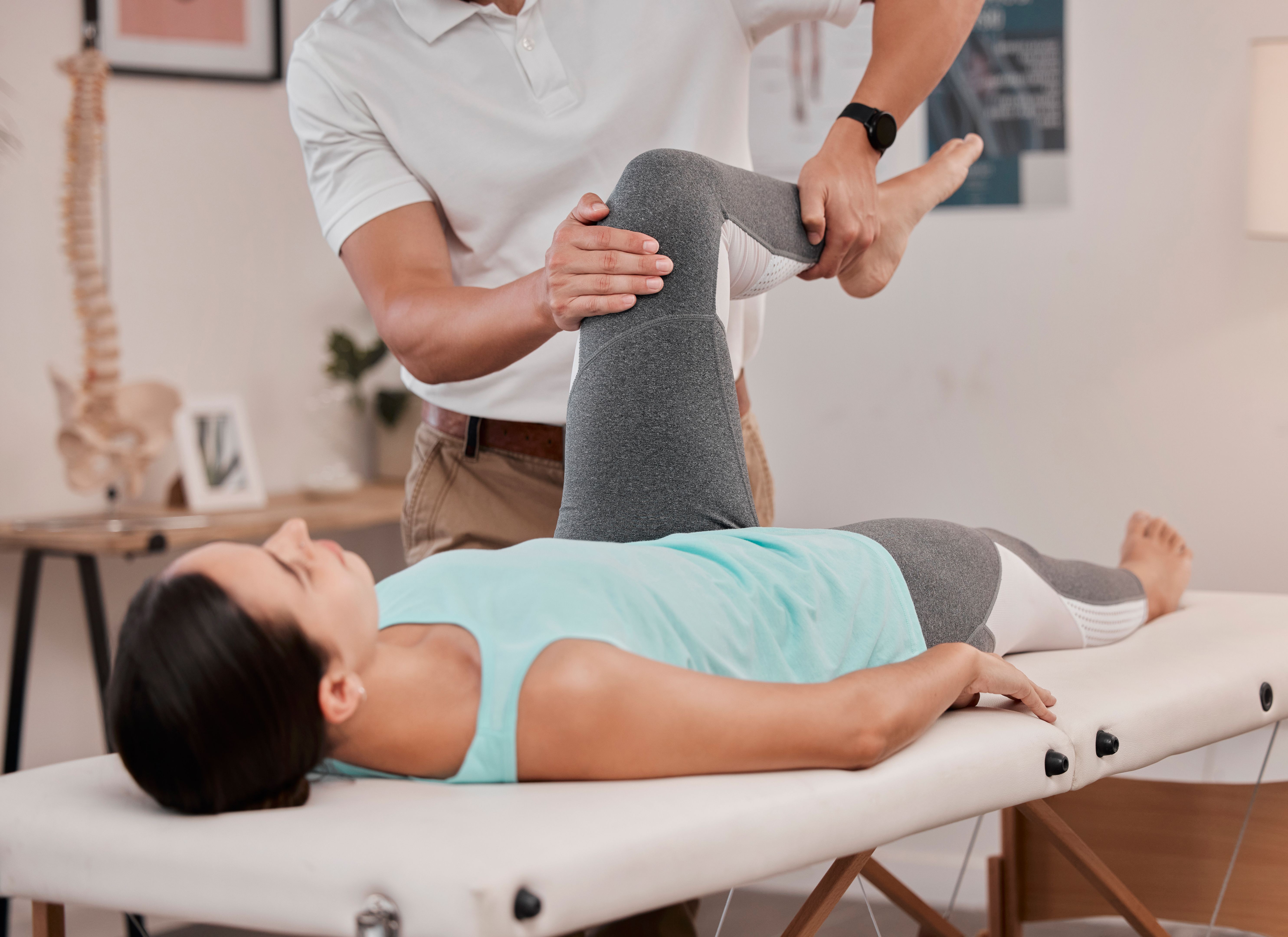
Myth 1: Osteopathy Is Only for Back Pain
One of the most prevalent myths is that osteopathy is solely used to treat back pain. While it's true that osteopaths often help patients with back issues, their expertise extends far beyond that. Osteopathy can be beneficial for a variety of conditions, including headaches, sports injuries, and even digestive problems. By focusing on the entire body, osteopaths aim to improve overall health and well-being.
Myth 2: Osteopaths Aren't Real Doctors
Another common misconception is that osteopaths are not real doctors. In reality, osteopaths undergo rigorous training and are fully qualified healthcare professionals. They complete a degree in osteopathy, which includes extensive study of anatomy, physiology, and clinical methods. Many osteopaths also pursue additional training in specialized areas of practice.
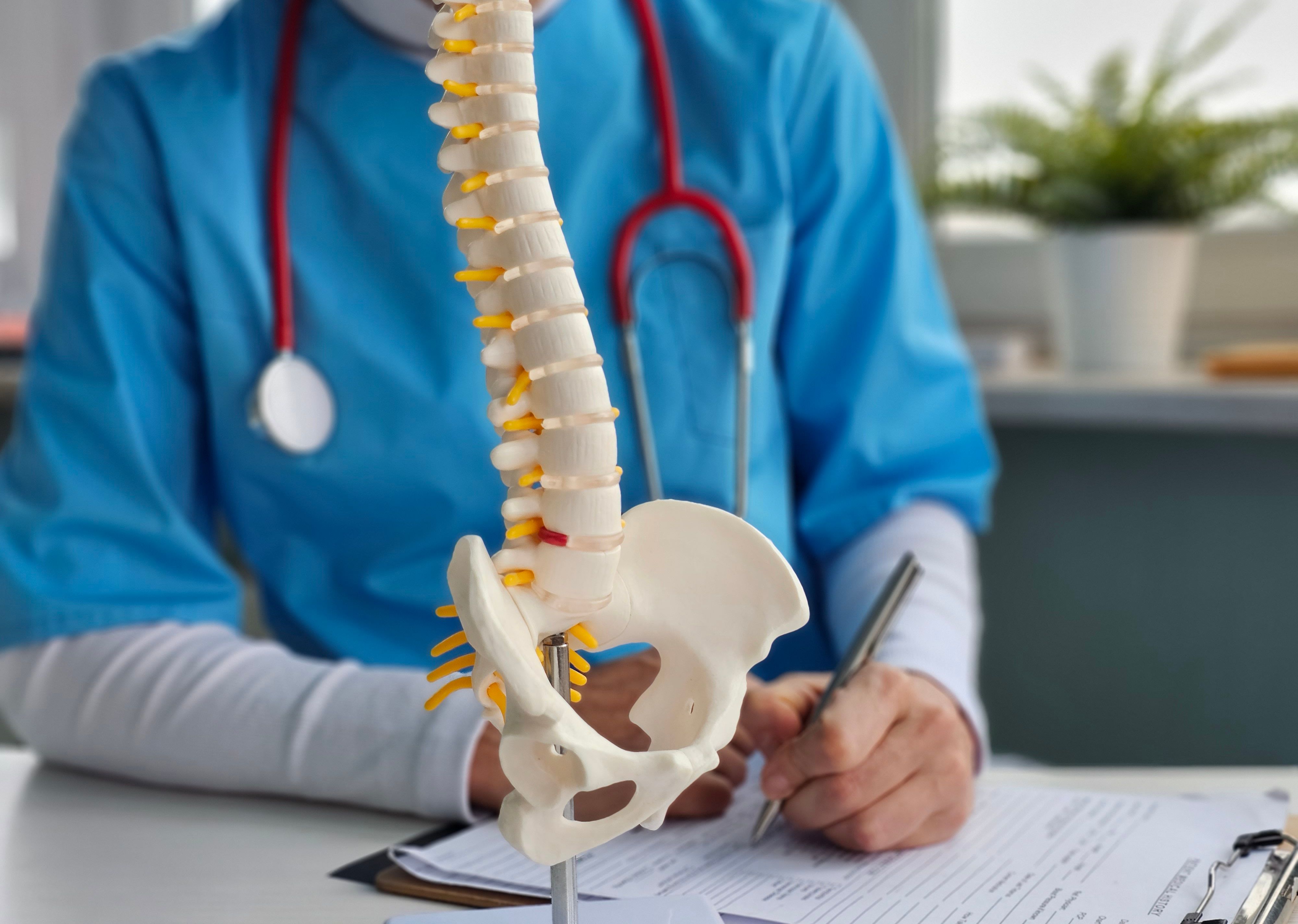
Osteopathy vs. Chiropractic Care
Some people confuse osteopathy with chiropractic care, but they are distinct disciplines. While both focus on musculoskeletal health, osteopaths take a more holistic approach. They consider the body's systems as interconnected and aim to treat the root cause of issues rather than just the symptoms. This comprehensive perspective often leads to long-term health benefits.
Myth 3: Osteopathy Is Painful
Many individuals fear that osteopathic treatments will be painful. However, osteopathy is generally a gentle practice. Osteopaths use a variety of techniques, including stretching, massage, and manipulation, to relieve tension and improve mobility. The treatments are tailored to each individual's needs, ensuring a comfortable and effective experience.

Myth 4: Osteopathy Lacks Scientific Support
Some skeptics argue that osteopathy lacks scientific backing. On the contrary, osteopathy is supported by a growing body of research demonstrating its effectiveness for various conditions. Studies have shown positive outcomes in treating musculoskeletal issues, and ongoing research continues to explore its benefits.
The Benefits of Osteopathy
Osteopathy offers numerous health benefits, including improved posture, enhanced circulation, and reduced stress levels. By addressing the body's structural imbalances, osteopathy can promote natural healing and improve overall quality of life. It's a versatile therapy suitable for people of all ages, from infants to the elderly.
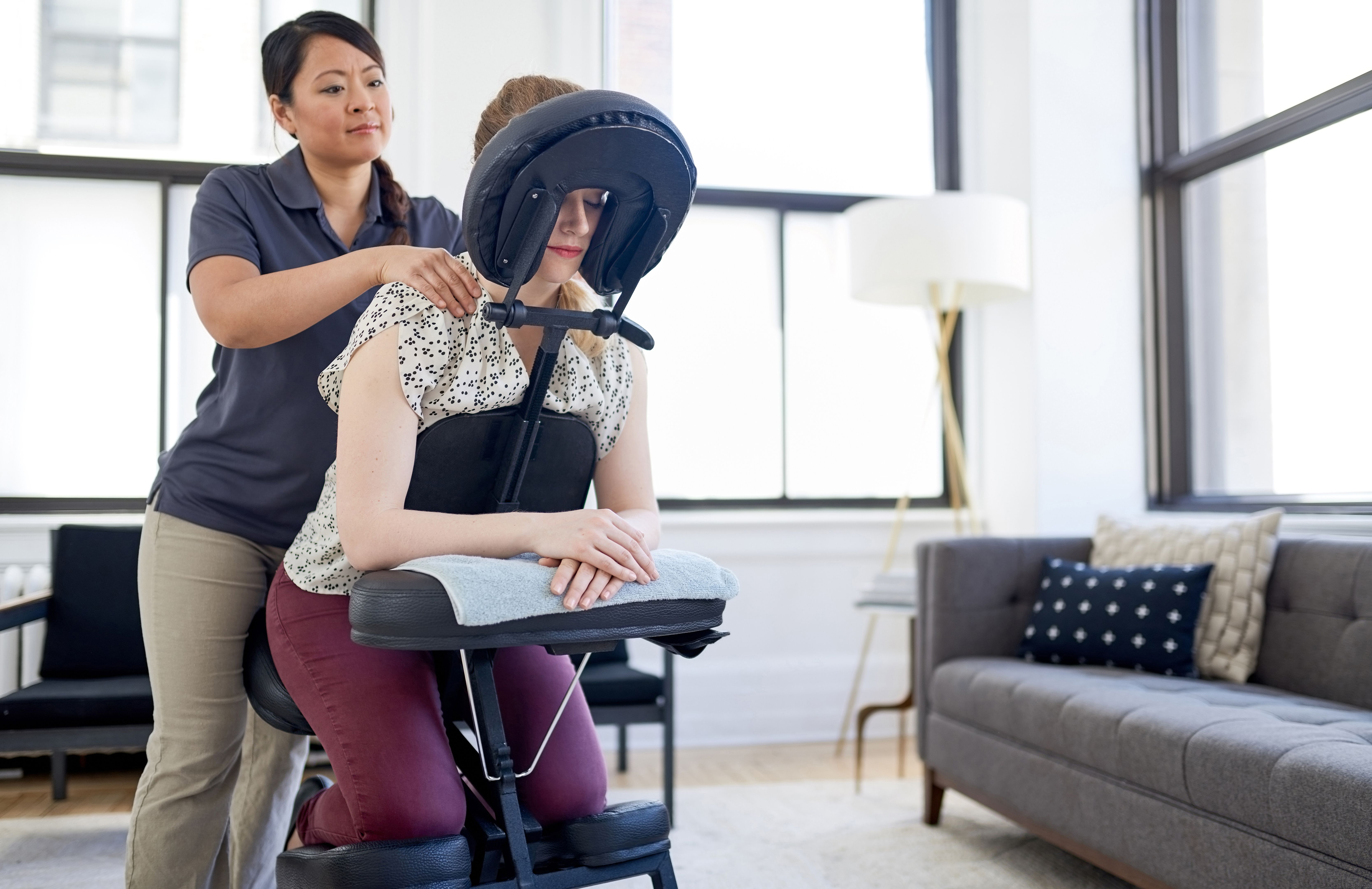
If you're considering osteopathy, it's important to consult with a qualified osteopath to discuss your specific needs and concerns. With their comprehensive training and holistic approach, osteopaths can provide valuable support in achieving optimal health.